Heritage is usually cast as the opposite of speculation: one guards what exists, the other invents what doesn't. But every conservation project begins with a speculative act - a drawing of a building as it is not yet, a story about who will use it and why. The question is whether we do that imagining deliberately or by accident.
Speculative architecture - the tradition of unbuilt, provocative, ‘what if’ design running from Boullée through Archigram to today's digital visualisations - offers heritage a set of disciplined techniques for it.
Speculation as consultation
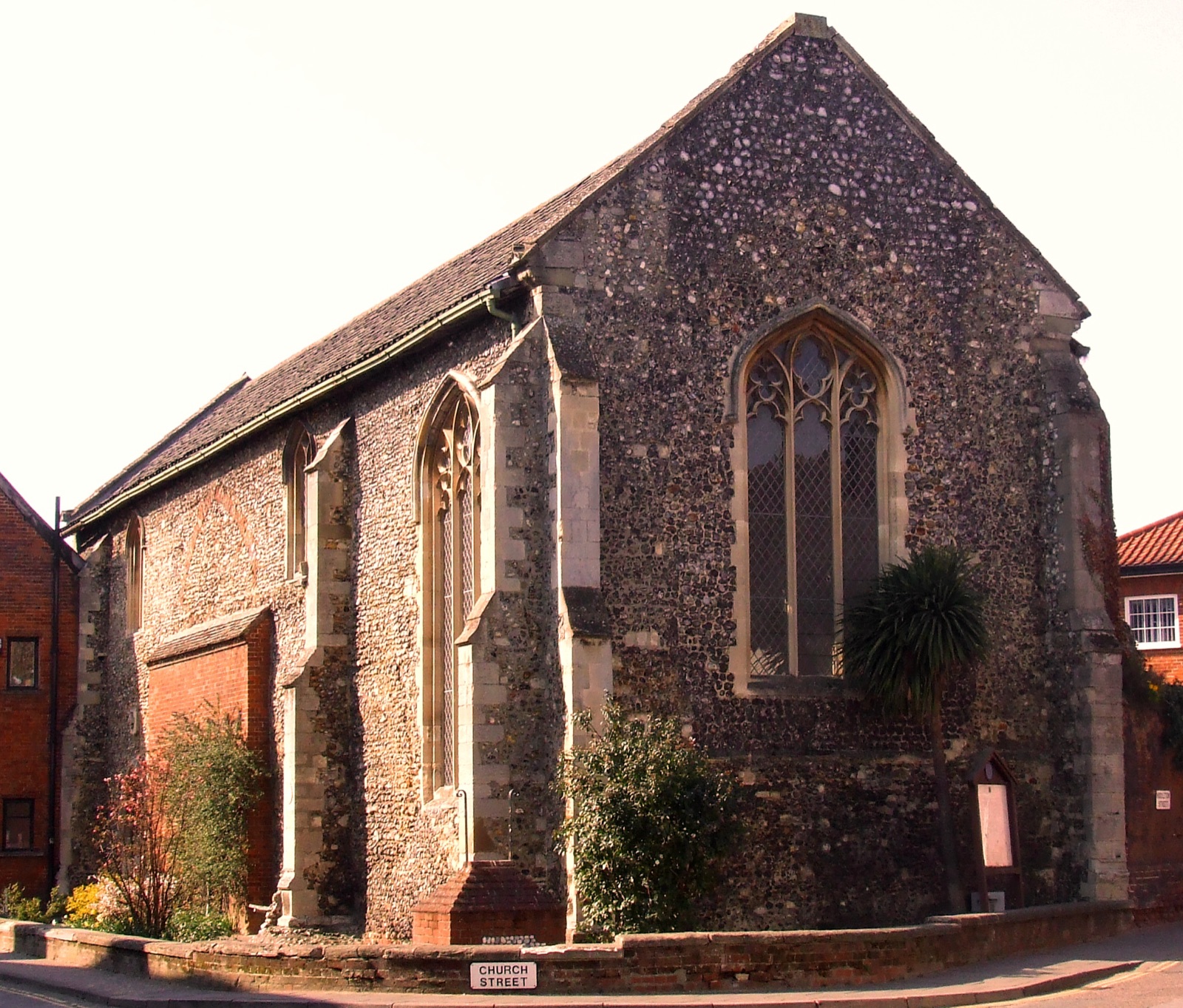
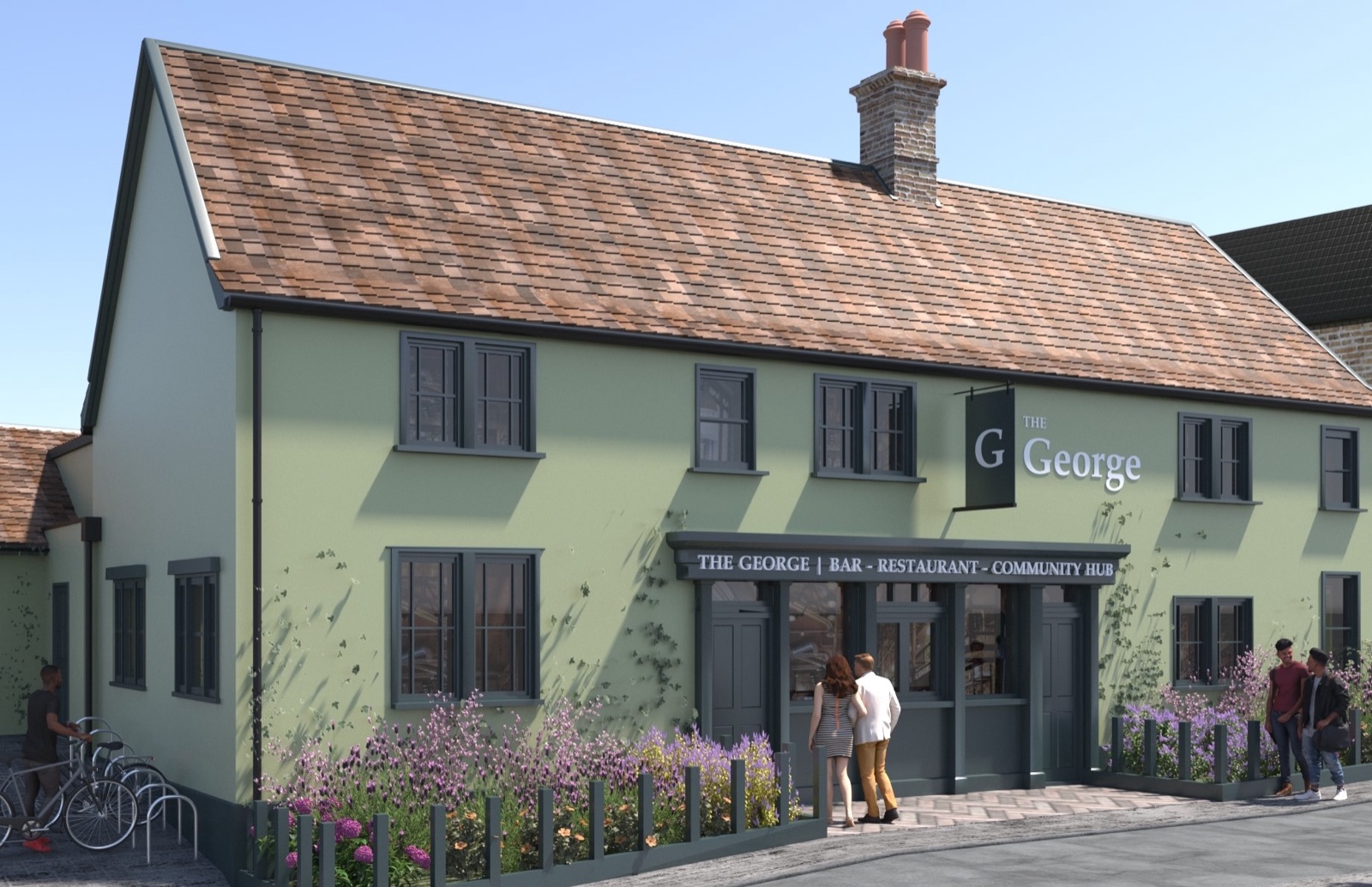
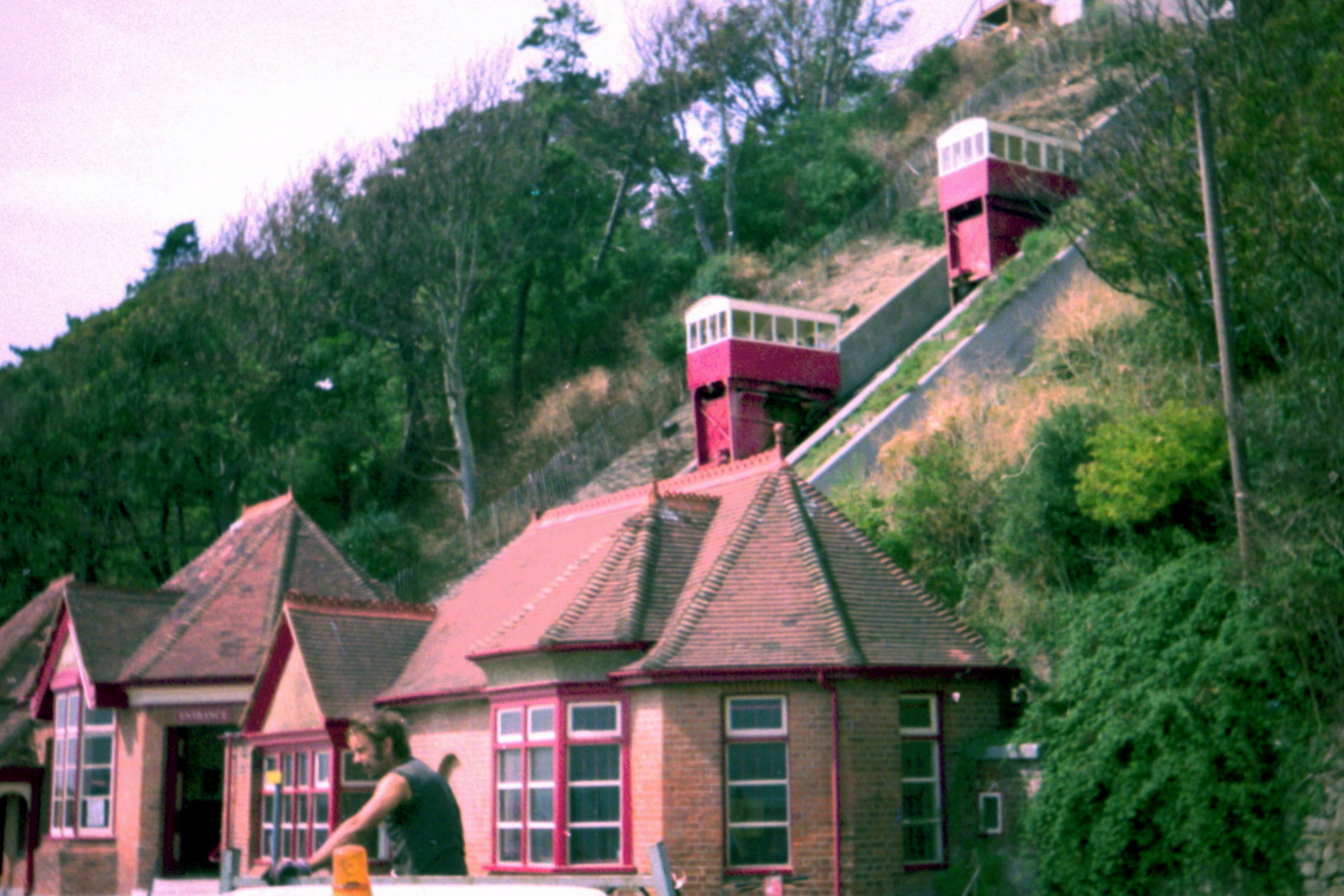
A speculative image is often a better consultation tool than a questionnaire. Show a community three impossible futures for their pier, chapel or funicular, and the conversation that follows reveals what they actually value about it - usually more precisely than asking them directly. The provocations are disposable; the values they surface are not.
The unbuilt scheme is disposable. The values it surfaces are not.
Speculation also stress-tests options appraisals. Sketching the extreme versions of a project - full commercial conversion, pure preservation, radical new use - maps the edges of the possible before a design team narrows toward the middle. Funders increasingly expect that breadth of thinking, even when the chosen scheme is modest.
Keeping faith with the place
The discipline lies in keeping speculation tethered to significance. The most useful ‘what ifs’ grow out of a building's own logic - its structure, its stories, its community - rather than being applied to it. This piece looks at how heritage projects can borrow the method without losing the place.