Ray Oldenburg's ‘third place’ - neither home nor work, but the informal public settings where community life happens - has become one of the most borrowed ideas in place-making. In 2010, our paper ‘A new type of “Third Place”?’, published in the Journal of Place Management and Development, examined how commercial and cultural venues were quietly taking on that role, and whether Oldenburg's criteria still held.
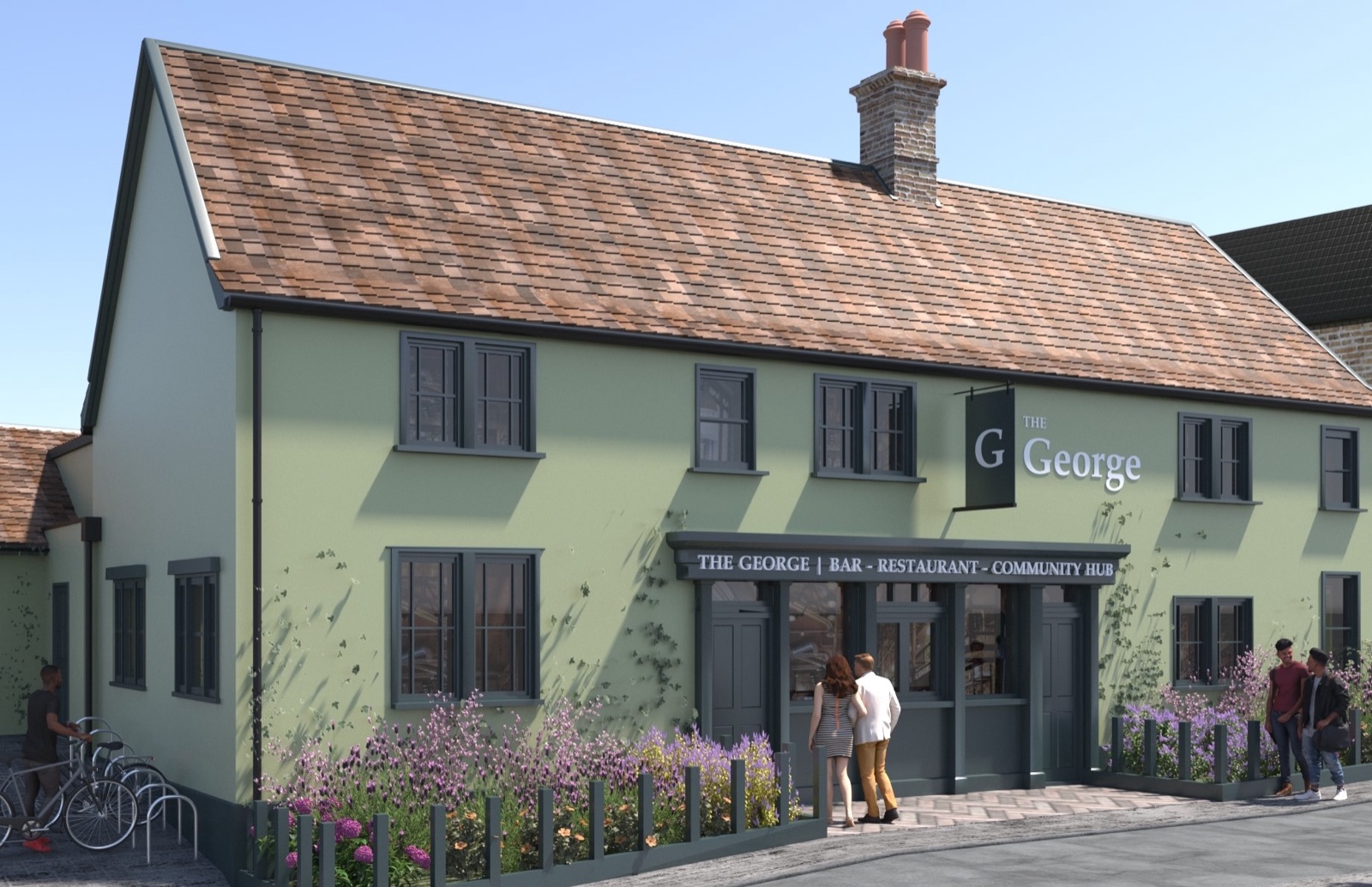
Fifteen years on, almost every assumption behind that discussion has shifted. Work left the office. Retail left the high street. And the buildings that anchored everyday sociability - pubs, banks, churches, libraries - have been closing at a rate that would once have seemed unimaginable.
What changed
Hybrid work has blurred the first and second places so thoroughly that the third has, for many people, become the only place they deliberately go. Cafés double as offices; libraries as warm banks; museums as places to simply be. The demand for informal, low-cost, welcoming space has never been higher - just as the supply has never been more fragile.
The question is no longer whether cultural venues can be third places - it is whether anywhere else still can.
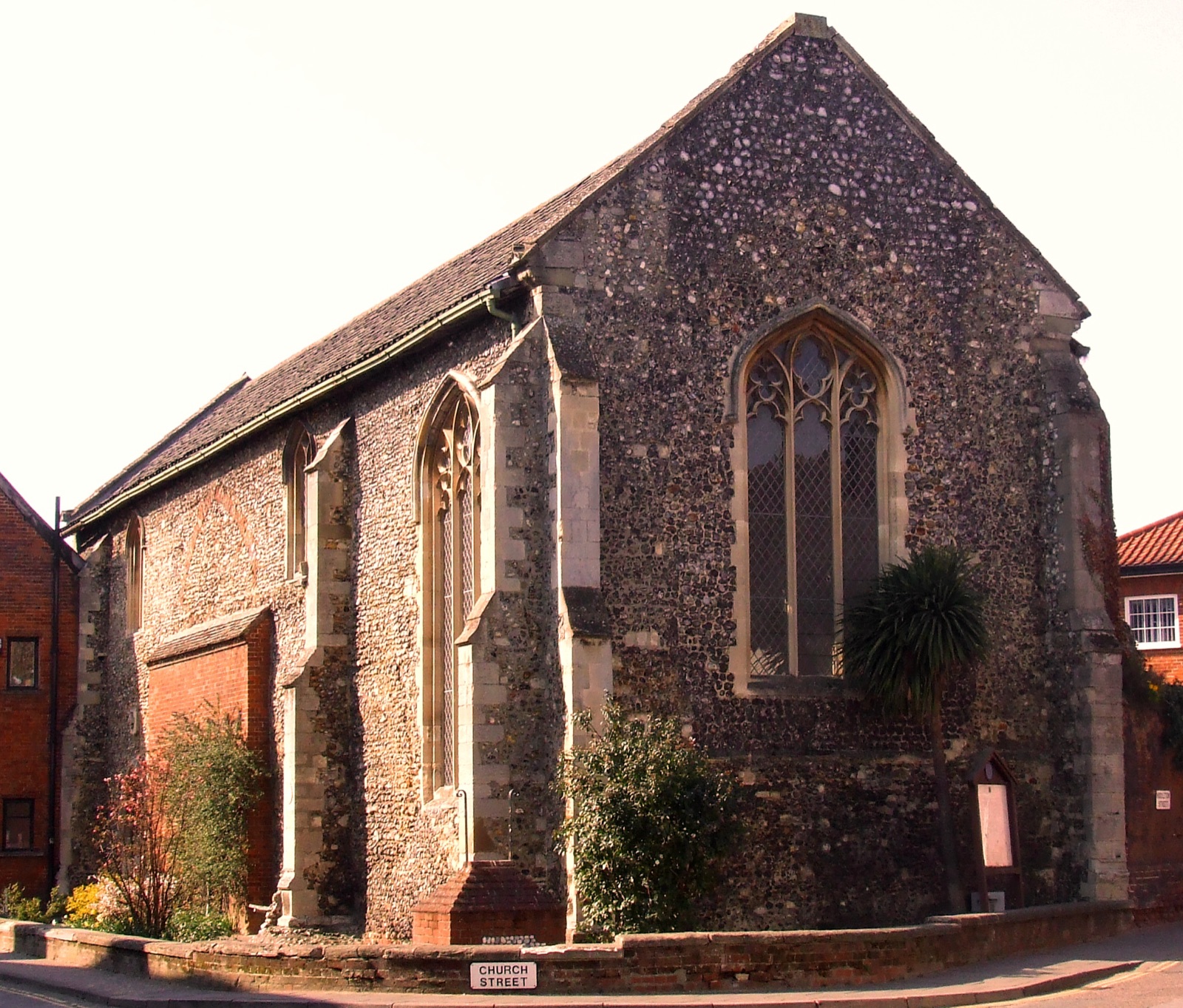
Heritage organisations sit at the centre of this shift. Historic buildings offer exactly the qualities Oldenburg prized - character, neutrality, a sense of belonging - and many are actively searching for new purposes and new audiences.
Revisiting the framework
This essay revisits the 2010 framework against the evidence of the last fifteen years: what makes a third place work, which of the original criteria have endured, and what heritage and cultural organisations should take from it when they plan capital projects, activity programmes and business models.
It argues that the third place is not a marketing label but a design and management discipline - one with measurable consequences for audiences, income and community resilience.