The UK has more than 16,000 listed places of worship, and a growing number face a simple, uncomfortable arithmetic: the community that built them can no longer fill them, fund them or heat them. Yet a church is often the oldest, largest and most loved building in its parish - and the only one with a roof high enough for almost anything.
The most resilient churches we work with have stopped asking ‘how do we save the building?’ and started asking ‘what does this place need to do for the people around it?’ The answers are strikingly varied: concert series and festival venues, craft and heritage-skills workshops, markets, exhibitions, co-working desks in side aisles, food banks and community kitchens in vestries.
Worship plus, not worship instead
Very few of these projects displace worship. The strongest model is the mixed-economy church: sacred use at its core, with complementary community and commercial uses generating footfall and income around it. Handled well, the new uses are not a compromise of the building's significance - they are the latest chapter of it.
A church that hosts a hundred small things a year is safer than one that hosts fifty-two services and nothing else.
The practical questions decide success: governance (who runs the new activity, and under what structure?), fabric (can the building take kitchens, heating, level access without harm?), and finance (what mix of hires, grants and fundraising sustains it?). These are exactly the questions a National Lottery Heritage Fund application forces a project to answer.
Learning from what works
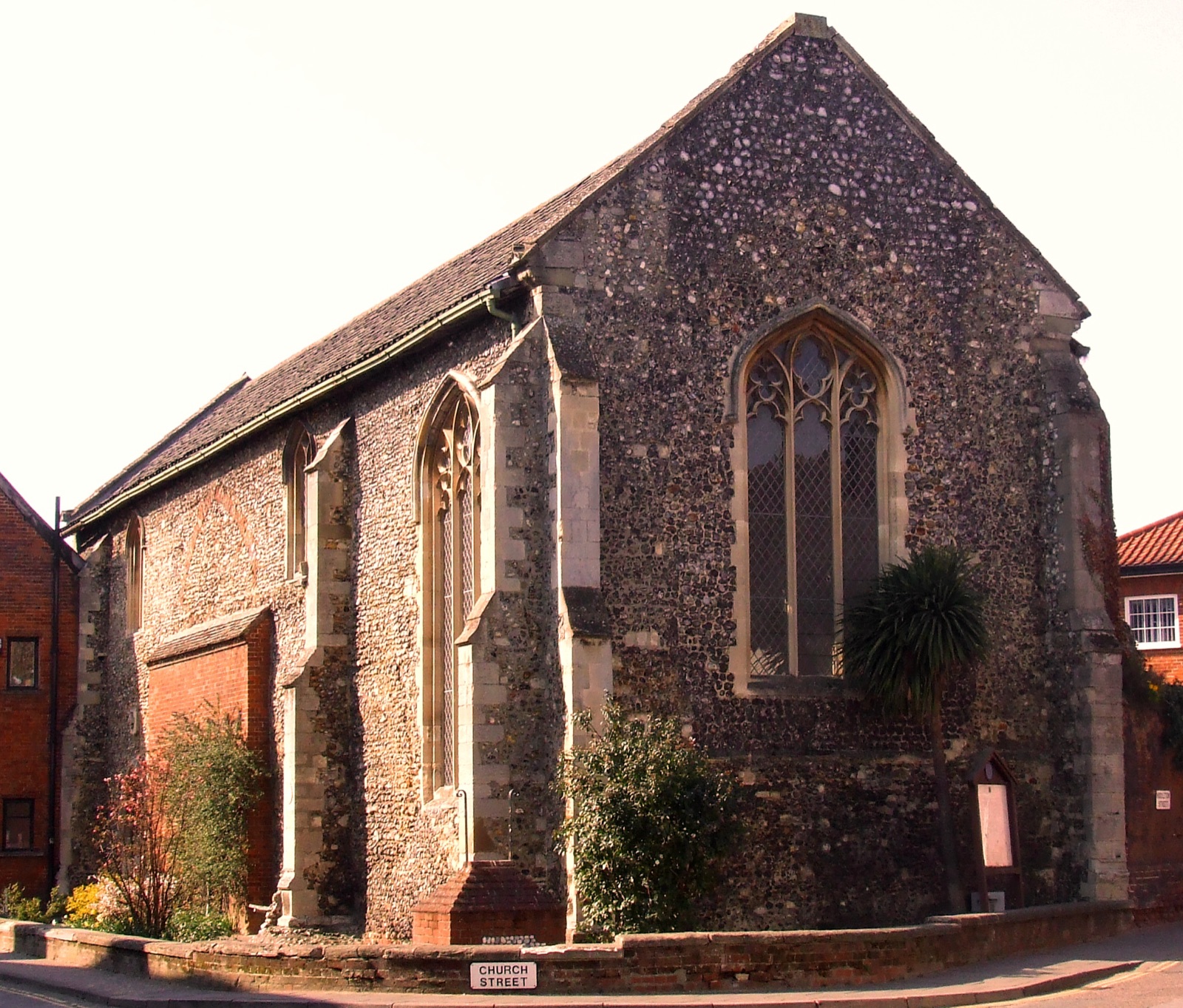
Drawing on our work with churches from Norfolk to London - including Becket's Chapel in Wymondham and Norwich's historic churches - this piece sets out the patterns behind successful reuse: start with audiences rather than architecture, pilot before you build, and design the business plan with the same care as the conservation plan.